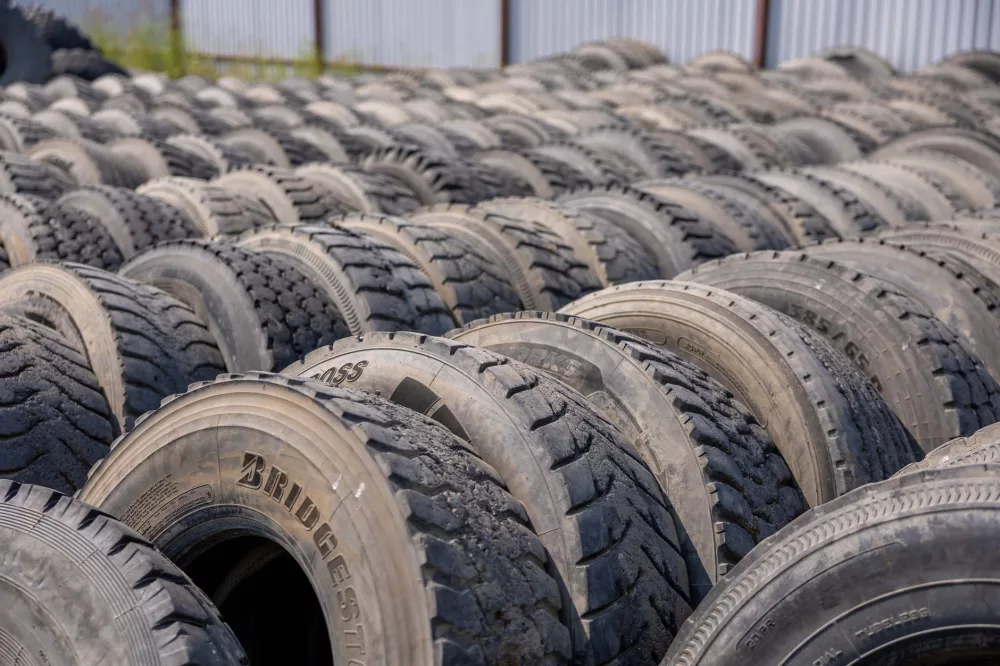
Bridgestone: A Global Powerhouse in Motion
When we talk about tires, or even just general rubber products, it's pretty hard to ignore one of the biggest names in the game: Bridgestone. You know, that multinational company with a massive footprint that pretty much touches every corner of the world. It’s an interesting story, how this company grew from humble beginnings to become such a dominant force. I think many of us see their logo on a tire and don't really consider the incredible history and technological drive behind it all, but trust me, there's a lot to unpack.
My journey into understanding Bridgestone really began with its roots. Shojiro Ishibashi founded Bridgestone in 1931 in Kurume, Fukuoka, Japan. It's actually kind of cool how he came up with the name; "Ishibashi" literally translates to "stone bridge" in Japanese, so he just flipped it. Clever, right? Starting out, they weren't just making tires for cars; they were also into making tires for bicycles and even some sporting goods. It wasn't long, though, before their focus really honed in on automotive tires, and that's where the legend really started building.
The Early Years and Global Expansion
The company didn’t stay small for long. After World War II, Japan was rebuilding, and so was its automotive industry. Bridgestone was right there, ready to meet the demand. They quickly started adopting and refining technologies, and before you knew it, they were expanding their operations not just within Japan but also into other Asian markets. By the 1960s, they had set their sights on North America, which, as you can imagine, was a huge step. This wasn't some small decision; it was a massive strategic play to become a truly global player. I believe this early foresight was absolutely crucial to their long-term success.
Then came the big one: the acquisition of the American tire manufacturer Firestone Tire and Rubber Company in 1988. That was a game-changer, plain and simple. Firestone was an iconic brand in the U.S., with its own rich history. Merging these two giants didn't just give Bridgestone a bigger share of the market; it gave them an enormous boost in manufacturing capacity, distribution networks, and technological know-how across the globe. We can easily say that this acquisition solidified their position as one of the world's leading tire manufacturers, and I'd argue it's one of the most important moments in their corporate timeline.
Innovation and Technology at its Core
What sets a company like Bridgestone apart? For me, it's got to be their relentless pursuit of innovation. They're not just making tires; they're constantly researching and developing new compounds, tread patterns, and construction methods. Think about it: a tire isn't just a rubber circle; it's a complex piece of engineering that affects everything from fuel efficiency to safety to ride comfort. So, when I look at what they do, I see a lot of science at play.
- Run-Flat Technology: This is a big one. It allows you to continue driving for a limited distance after a puncture, giving you peace of mind.
- Fuel-Efficient Tires (ECOPIA line): They've really invested in tires that help reduce rolling resistance, which means better gas mileage for us.
- Winter and Performance Tires: Bridgestone has a huge range, from tires designed to grip icy roads to high-performance tires for sports cars.
- Sensor Technology: I've heard they're even integrating sensors into tires to monitor pressure and wear in real-time, which is pretty neat.
Their commitment to research and development means they're always pushing boundaries. It's not just about making a durable tire; it's about making a smarter, safer, and more environmentally friendly one. That's something I genuinely appreciate about their approach.
Sustainability and Social Responsibility
In today's world, it's not enough for a company to just make great products; they also need to be responsible global citizens. Bridgestone understands this, and I've seen them make considerable strides in sustainability. They've got this vision called "Our Way to Serve," which really outlines their commitment to improving the way people move, live, and work. When we consider the massive amount of resources used in tire manufacturing, their efforts here are really commendable.
They're focusing on things like reducing CO2 emissions, increasing the use of renewable materials, and improving tire recyclability. I mean, they're working on making tires from things like guayule, a desert shrub, as a sustainable alternative to natural rubber. How cool is that? Plus, they're not forgetting the social side, investing in local communities and promoting diversity and inclusion within their workforce. It shows me they're thinking long-term, not just about profits, but about the planet and its people too.
Bridgestone in Motorsports
If you're a fan of motorsports, you'll know Bridgestone has a rich history there. From Formula One to MotoGP, their tires have been on some of the fastest machines on the planet. I recall watching races where the tire strategy was absolutely critical, and Bridgestone was often the brand being discussed. This involvement isn't just about branding, though it certainly helps; it's a hardcore testing ground. The extreme conditions of racing push tire technology to its absolute limits, and the lessons learned on the track often find their way into the tires we use on our everyday cars. It's a fantastic real-world laboratory, isn't it?
The Broader Product Portfolio
While tires are undoubtedly their bread and butter, it’s worth remembering that Bridgestone is a rubber and diversified products company. They actually make a whole bunch of other stuff! This includes industrial rubber products like conveyor belts and hydraulic hoses, anti-vibration rubber for vehicles, and even golf products. This diversification helps them stay resilient in different economic climates and allows them to leverage their expertise in rubber chemistry across various industries. It makes them a much more robust company than just a tire manufacturer, in my opinion.
Looking Ahead: The Future of Mobility
What does the future hold for Bridgestone? I think it's all about navigating the rapidly changing landscape of mobility. We're talking electric vehicles, autonomous driving, and connected cars. Tires for EVs, for instance, need to handle more weight, deliver low rolling resistance for extended range, and often manage instant torque. Bridgestone is actively developing specialized EV tires and smart tire technologies that can communicate with the vehicle and infrastructure. They're not just trying to keep up; they're trying to lead the charge. It's an exciting time, and I'm really looking forward to seeing the innovations they bring to us next. Their commitment to innovation, sustainability, and quality production is, I believe, what will keep them at the forefront of the industry for years to come.