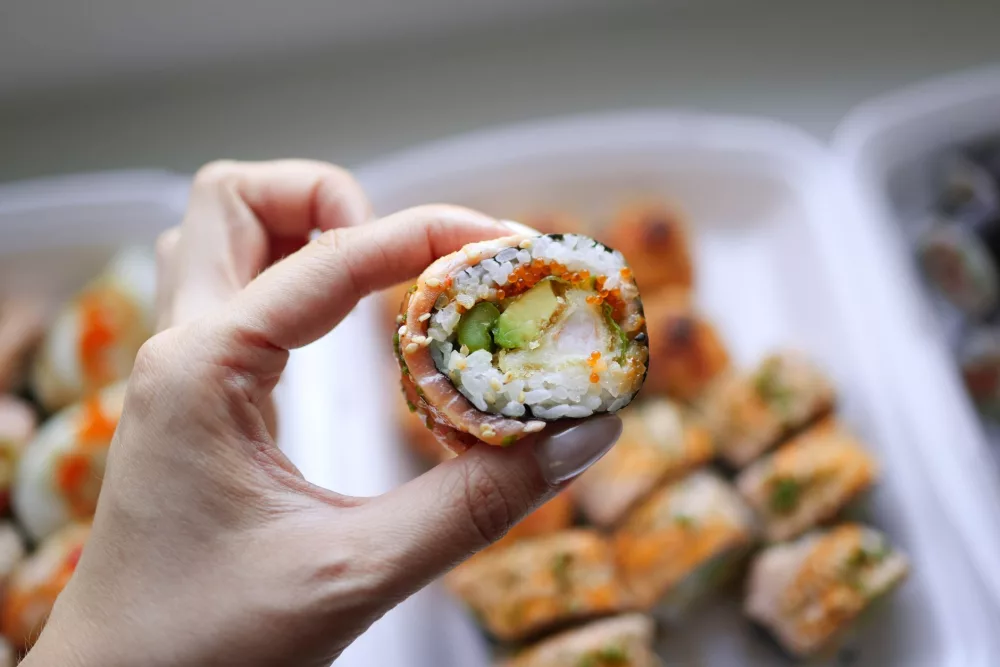
When one thinks of sushi, often the immediate images that come to mind are vibrant slices of tuna or salmon, maybe elegant nigiri, or perhaps an elaborate California roll. But I've always found a particular fascination with one of the sushi world’s more understated, yet undeniably compelling, creations: the salmon skin roll. It's a dish that celebrates an often-overlooked component of one of the ocean's most revered fish, transforming it into something truly extraordinary. My journey into appreciating this roll started years ago in a small, unassuming sushi bar; I was hesitant at first, like many might be, wondering if fried fish skin could truly be good in a sushi roll. Little did I know, I was about to discover a textural marvel.
The Allure of the Crispy Salmon Skin
So, what makes the salmon skin roll so special? It boils down to a remarkable interplay of textures and flavors that really doesn't have many parallels in other sushi offerings. At its heart, you have the salmon skin itself, meticulously crisped to a golden-brown perfection. This isn't just about frying; it's about rendering the fat from the skin until it achieves an almost ethereal crunchiness that crackles with each bite, releasing a deeply savory, umami-rich flavor of the salmon. This preparation isn't a mere afterthought; it's a culinary technique that elevates what many would consider scrap into the star of the show. It takes a certain skill, I believe, to get that balance just right – crispy without being burnt, flavorful without being greasy.
Historically, various cultures have valued fish skin for its texture and nutritional properties. In Japanese cuisine, using every part of an ingredient is a respected principle, often called mottainai, which loosely translates to a sense of regret concerning waste. The salmon skin roll embodies this philosophy beautifully, showcasing an innovative use of what might otherwise be discarded.
Deconstructing the Roll: Components and Their Harmony
A truly great salmon skin roll isn't just about the skin. Oh no, it’s a symphony of well-chosen ingredients, each playing a crucial role in creating a balanced and delightful experience. Let's break down these essential elements:
- The Crispy Salmon Skin: Clearly the star. Its preparation is key. Whether pan-fried, baked, or even air-fried, the goal is always that delightful, unmistakable crunch and concentrated salmon flavor. This process helps to reduce its oiliness while intensifying its inherent taste.
- Sushi Rice: The foundation. Perfectly seasoned sushi rice, warm and slightly sweet, provides a soft, pliable bed that contrasts wonderfully with the skin's crispness. The slight stickiness helps hold everything together, too.
- Nori (Seaweed): The wrapper. The dark, earthy taste of nori adds another layer of umami and a subtle chewiness, neatly enclosing the fillings and contributing to the roll's structural integrity.
- Cucumber: A refreshing counterpoint. Thin strips of cucumber introduce a cool, crisp, and watery element, cutting through the richness of the salmon skin and offering a palate cleanser with every bite. It’s essential for balance.
- Avocado: Creamy indulgence. When included, ripe avocado brings a buttery, smooth texture and a mild, nutty flavor that melds beautifully with the other components. It adds a luxurious mouthfeel.
- Scallions (Green Onions): A pungent kick. Finely chopped scallions provide a fresh, slightly pungent note that brightens the overall flavor profile, adding a subtle oniony zest without overpowering.
- Masago or Tobiko (Fish Roe): A delightful pop. Sometimes, these tiny, brightly colored roes are added for an extra burst of salty flavor and a fun, subtle popping texture.
- Eel Sauce (Unagi Sauce): The sweet glaze. This thick, sweet-savory sauce, often drizzled over the top or served alongside, ties all the flavors together, providing a caramel-like sweetness that complements the savory skin perfectly. It's often the final flourish that makes the roll sing.
Crafting Your Own Salmon Skin Roll: A Home Kitchen Adventure
Making a salmon skin roll at home can be an incredibly rewarding experience, and it's perhaps not as daunting as you might think. I’ve tried my hand at it a few times, and while it takes practice, the results are truly worth the effort. Here's a simplified approach: