Empowering Artisans: What I've Learned About the Vishwakarma Scheme
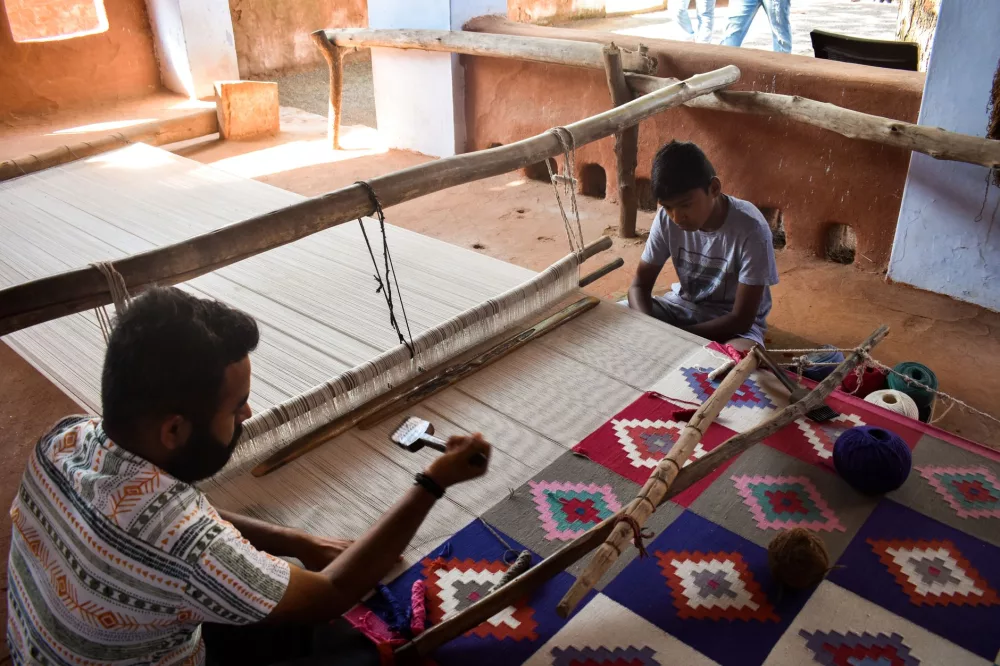
You know, for generations, India's skilled artisans and craftspeople have been the backbone of our local economies and, frankly, the soul of our cultural heritage. I've always admired the intricate work they do – whether it's a potter shaping clay, a blacksmith forging metal, or a tailor creating beautiful garments. But let's be real, these traditional professions often struggle with access to capital, modern tools, and even updated skills. That's where the PM Vishwakarma Kaushal Samman Yojana, or simply the Vishwakarma Scheme, steps in. I’ve spent some time looking into this initiative, and I really believe it's a game-changer for these unsung heroes.
This isn't just another government program; it feels like a genuine effort to acknowledge and uplift our 'Vishwakarmas' – a term we use for divine craftsmen, reflecting the respect we have for skilled hands. Launched by Prime Minister Narendra Modi on Vishwakarma Jayanti, September 17, 2023, the scheme has a massive budget of 13,000 crore rupees. It aims to support artisans and craftspeople across 18 traditional trades, helping them integrate into the formal economy and enhance their reach. It's a comprehensive package, not just a one-off payment, which I find particularly impressive.
Who Gets to Benefit from This? The Eligibility Criteria
So, who exactly is this scheme for? When I first heard about it, my immediate thought was about who it would actually reach. Well, the government has been pretty clear on this. The scheme targets individual artisans and craftspeople who are engaged in one of the 18 identified traditional trades. It's not for large businesses or corporations; it's for the individual worker, often working from their home or a small workshop. Here's a quick rundown of some of the eligible trades I remember seeing:
- Carpenters (Suthar)
- Boat Makers
- Armourers
- Blacksmiths (Lohar)
- Hammer and Tool Kit Makers
- Locksmiths
- Goldsmiths (Sonar)
- Potters (Kumhar)
- Sculptors (Moortikar, stone carvers, stone breakers)
- Cobblers (Charmkar)/Shoesmith/Footwear artisans
- Masons (Rajmistri)
- Basket/Mat/Broom Makers/Coir Weavers
- Doll & Toy Makers (traditional)
- Barbers (Naai)
- Garland Makers (Malakar)
- Washermen (Dhobi)
- Tailors (Darzi)
- Fishing Net Makers
What I find interesting is that the beneficiary should be at least 18 years old and shouldn't have availed similar credit-based schemes from the Central or State Government for self-employment/business development in the last five years. Also, only one member from a family can avail the benefits. This ensures that the scheme reaches a wider base of deserving artisans, which I think is a smart move.
What's on Offer? Understanding the Core Benefits
The Vishwakarma Scheme isn't just about money; it’s a multi-faceted approach to uplift these communities. From what I’ve gathered, it covers several key areas:
1. Recognition and Certification
First off, registered Vishwakarmas receive a PM Vishwakarma certificate and ID card. I think this is super important because it gives them official recognition and a sense of pride in their traditional craft. It's not just a piece of paper; it's an affirmation of their skill.
2. Skill Upgradation
Then there's the skill development aspect. Many traditional artisans use techniques passed down through generations, which is wonderful, but modern times often require modern adaptations. The scheme offers basic (5-7 days) and advanced (15 days or more) training. Artisans get a stipend of Rs. 500 per day during training. This focus on skill enhancement is something I truly appreciate, as it directly addresses a common challenge for small-scale workers.
3. Toolkit Incentive
After completing the basic training, beneficiaries receive an incentive of up to Rs. 15,000 to purchase modern tools. I can tell you, having the right tools makes all the difference in quality and efficiency, so this is a highly practical benefit that I believe will have immediate impact.
4. Credit Support (The Loan Scheme)
This is where the loan component comes in, and it's a big one. The scheme provides collateral-free enterprise development loans:
- First Tranche: A loan of up to Rs. 1 lakh. This is repayable over 18 months.
- Second Tranche: An additional loan of up to Rs. 2 lakh, available after successfully repaying the first loan and demonstrating good credit practice. This one is repayable over 30 months.
And here's the best part: these loans come with a heavily subsidized interest rate of only 5% per annum. The government essentially covers the remaining interest portion (up to 8%) through a subvention model. Access to affordable credit is often the biggest hurdle for small businesses, and I feel this particular feature could transform many lives.
5. Marketing Support
Another crucial element is marketing. It's tough for individual artisans to compete with larger brands, especially in an increasingly digital world. The scheme provides support for market linkages, quality certification, branding, onboarding on e-commerce platforms, and participation in trade fairs. This means artisans can potentially reach a much wider customer base, moving beyond their local markets. I know from personal experience how vital good marketing is, so I'm glad to see this included.
My Thoughts on the Application Process
From what I understand, applying for the PM Vishwakarma Scheme involves a straightforward, three-step process, largely facilitated through Common Service Centres (CSCs).
- Registration: Artisans register themselves on the PM Vishwakarma portal using their Aadhaar-linked mobile number and Aadhaar number. They also provide other necessary details.
- Verification: The application then undergoes verification at the Gram Panchayat/ULB level, followed by district-level verification by the District Implementation Committee. This ensures that only genuine artisans receive the benefits.
- Benefit Disbursement: Once verified, the benefits – ranging from training to toolkit incentives and credit support – are then disbursed to the eligible Vishwakarmas.
I think the emphasis on digital registration and CSCs is a smart way to make it accessible, especially in rural areas where internet access might be limited for individuals but CSCs are usually present.
Why This Scheme Matters: The Bigger Picture
I genuinely believe the PM Vishwakarma Scheme is more than just a financial aid program. It's a strategic investment in India's cultural capital and economic self-reliance. When you support these artisans, you're not just helping an individual; you're preserving traditional crafts, fostering local economies, and strengthening communities.
Think about it: by providing skill training, we're not just improving their existing craft, but also potentially introducing them to new technologies or techniques that can make their work more efficient or appealing to a broader market. The low-interest loans mean they can invest in better raw materials, expand their workshops, or even hire assistants without getting caught in the cycle of high-interest debt.
Moreover, the focus on marketing and e-commerce integration is absolutely vital in today's landscape. Our traditional artisans deserve to showcase their beautiful work to a global audience, and this scheme helps them do just that. It's about giving them the tools, training, and confidence to thrive in the 21st century while staying true to their heritage. I'm really optimistic about the long-term impact this initiative could have on millions of lives and on the vibrancy of India's incredible craft traditions.